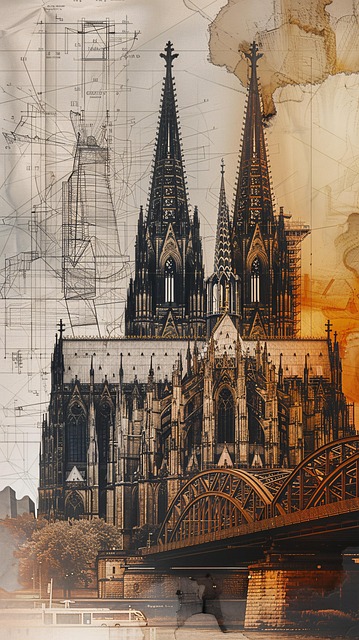
Structural engineer assessment is vital for old buildings' safety and preservation. It involves visual inspections, historical research, non-destructive testing (NDT), and advanced modeling to identify weaknesses and ensure stability. Key aspects include flame retardant material degradation, complex geometry modeling, sustainable design constraints, and quick corrective actions. Balancing historical value with safety, these assessments consider local codes, climate data, and industry trends for tailored solutions, preventing catastrophic collapse and preserving architectural legacies.
Assessing the structural integrity of old buildings is a critical task for preserving architectural heritage and ensuring public safety. These structures, often laden with historical significance, pose unique challenges due to varying construction methods, age-related deterioration, and lack of modern design considerations. The need for meticulous evaluation by qualified professionals, particularly structural engineers, cannot be overstated. This article provides an in-depth guide on navigating this complex process, offering practical insights into the methodologies, tools, and expertise required to accurately assess old buildings’ structural soundness.
- Understanding Old Building Structural Integrity Assessment
- Visual Inspection: Identifying Potential Issues
- Historical Research: Uncovering Past Repairs and Upgrades
- Non-Destructive Testing Methods for Older Structures
- Structural Engineer Assessment: Key Considerations
- Preservation Techniques for Enhanced Longevity
Understanding Old Building Structural Integrity Assessment

Assessing the structural integrity of old buildings requires a multifaceted approach, especially when considering their historical significance, unique construction methods, and contemporary sustainability challenges. A thorough understanding of these structures demands specialized knowledge from structural engineers who can interpret building plans, observe materials, and evaluate overall stability. This process involves identifying potential hazards like structural decay, non-compliance with modern codes, or hidden damage exacerbated by age.
One key aspect is assessing flame retardant materials used in older buildings. Over time, these materials may degrade or become ineffective, posing fire safety risks. A comprehensive evaluation should include a detailed examination of insulation, finishes, and any historical modifications. Advanced software solutions for structural analysis can aid engineers in modeling complex geometries and evaluating load paths, providing valuable insights into the building’s behavior under various conditions.
For instance, historic structures often face sustainable design challenges due to limited availability of original materials or strict preservation guidelines. Structural engineers play a pivotal role here by employing innovative techniques and materials that respect the building’s heritage while enhancing its longevity and energy efficiency. By integrating modern analysis tools and adhering to best practices, professionals can ensure these old buildings remain safe and sound for future generations.
In cases where structural deficiencies are identified, it is imperative to take corrective actions promptly. Preventing catastrophic collapse starts with proactive assessment and continuous monitoring, ensuring the safety of occupants and surrounding properties. For expert guidance tailored to your specific needs, give us a call at preventing catastrophic collapse.
Visual Inspection: Identifying Potential Issues

A visual inspection is a crucial first step in assessing the structural integrity of old buildings. This non-invasive method allows for an initial evaluation of a structure’s overall condition and potential issues. Trained eyes can detect subtle signs of damage or weakness that might otherwise go unnoticed, such as cracks in the foundation, uneven floors, or loose fixtures. A qualified structural engineer assessment often begins with a thorough visual inspection, explaining technical concepts to non-engineers in a clear, concise manner.
During this process, engineers look for various indicators. Cracks wider than 0.2 millimeters in concrete or brickwork could suggest structural instability. Bowing or leaning walls may point to issues with load-bearing elements. Water damage, especially around windows and doors, can indicate weak points in the building’s envelope. For example, a study of historic structures in urban areas found that water infiltration was a leading cause of hidden structural damage, highlighting the importance of meticulous visual inspections and subsequent quality control in structural design.
Additionally, checking for proper alignment and leveling is essential. Uneven floors or tilted walls could indicate foundation problems, which, if left unaddressed, can lead to more severe structural complications. In some cases, non-destructive testing methods like moisture meters or thermal imaging cameras can be employed to gather additional data during this initial phase. For instance, a digital tools for structural engineering platform can streamline the collection and analysis of such data, aiding in the early detection of potential issues that might later require more invasive assessments.
Remember, while visual inspections are a critical component of any structural engineering assessment, they should be followed by further detailed analyses to ensure comprehensive quality control in structural design, especially for older buildings with complex histories or unique architectural features.
Historical Research: Uncovering Past Repairs and Upgrades

Assessing the structural integrity of old buildings involves a meticulous blend of historical research, modern engineering, and industry best practices. Uncovering the past repairs and upgrades is akin to reading a building’s medical history—it reveals crucial insights into its current condition and future stability. Historical research begins with examining architectural blueprints, construction records, and local historical societies’ archives. These sources can highlight modifications made over time, including renovations that might have reinforced or compromised structural elements.
Consider the case of tunnels and their inspection in old urban landscapes. As cities age, underground tunnels—once vital for transportation and utility services—may become neglected. A structural engineer assessment should encompass these hidden areas to avoid unexpected failures during disaster recovery planning. Industry trends indicate that 3D scanning technology is revolutionizing tunnel inspection by providing detailed digital models, enabling engineers to pinpoint potential weaknesses accurately.
In the face of extreme weather events, which are becoming increasingly frequent and severe, preparing buildings for such conditions is paramount. The NAP team, specializing in structural integrity, emphasizes the importance of comprehensive historical research. By understanding past repairs, we can identify patterns that indicate building resilience or vulnerabilities. For example, post-disaster assessments often reveal that structures with reinforced corners and additional support beams fare better than their unmodified counterparts. This knowledge informs our approach to modern disaster recovery planning, ensuring buildings are not just restored but fortified against future challenges.
The process of evaluating old buildings requires a delicate balance between respecting historical value and ensuring structural safety. Structural engineer assessments must consider the unique context of each property, factoring in local building codes, climate data, and industry trends. By integrating historical research with modern analysis tools, we can offer effective solutions tailored to these iconic structures’ specific needs, ensuring their longevity well into the future.
Non-Destructive Testing Methods for Older Structures

Assessing the structural integrity of old buildings requires a meticulous approach, especially when employing non-destructive testing methods. Structural engineers play a pivotal role in evaluating these structures, as their expertise ensures safe practices for field assessments while preserving historic materials and designs. One of the key challenges in older buildings is balancing the need for thorough inspection with minimal disruption to sustainable design principles.
Non-destructive testing (NDT) offers a range of techniques to overcome these challenges. Methods such as visual inspections, moisture analysis, and thermal imaging provide valuable insights without causing damage. For instance, a structural engineer assessment may reveal hidden water infiltration in brickwork through infrared thermography, indicating potential structural weaknesses. Similarly, ground-penetrating radar can identify alterations or cracks within walls, aiding in the development of targeted repair strategies that respect the building’s original integrity.
Leveraging these NDT methods requires skilled professionals who understand the unique characteristics of older structures. Structural consulting services specializing in historic preservation offer expertise tailored to these challenges. They employ advanced techniques while adhering to safe practices, ensuring the longevity and safety of these valuable architectural elements. For instance, a study of 19th-century brick buildings revealed that proper moisture management is crucial for preventing structural degradation, underscoring the importance of specialized NDT in sustainable design approaches.
When conducting field assessments, it’s essential to consider the building’s history and materials. Structural engineers should collaborate with architects and historians to develop comprehensive inspection protocols. By combining traditional knowledge with modern NDT tools, professionals can navigate these labyrinthine structures, uncovering hidden intricacies while ensuring their safety and structural integrity. Visit us at innovative design approaches for more insights on integrating historical preservation with contemporary sustainability in older buildings.
Structural Engineer Assessment: Key Considerations

Assessing the structural integrity of old buildings requires a thorough and nuanced approach, particularly when considering historical structures’ unique characteristics and potential preservation challenges. The role of a structural engineer is pivotal in this process, offering expert insights that guide restoration or adaptation efforts while ensuring safety and compliance with modern standards. When evaluating an older structure, engineers must delve into various aspects, from material condition to load considerations, employing specialized knowledge and techniques tailored to historic buildings.
One of the primary tasks for a structural engineer is to conduct a comprehensive site inspection, meticulously examining the building’s exterior and interior elements. This involves assessing the integrity of walls, foundations, roof structures, and any visible signs of damage or deterioration. For older constructions, engineers should pay special attention to eco-friendly material choices prevalent in different eras, which may have unique properties and behaviors under various environmental conditions. Additionally, understanding the structural system and its original design philosophy is essential; this knowledge can inform decisions regarding potential modifications while preserving historical authenticity.
Client communication is of utmost importance for complex projects, ensuring that stakeholders appreciate the engineering assessment’s intricacies. Structural engineers should provide detailed reports, explaining their findings, methodologies, and recommended actions. For instance, when dealing with fire-prone areas, adhering to updated fire resistant design guidelines becomes critical. These guidelines often incorporate innovative solutions while considering the building’s historic fabric, allowing for effective modernization without compromising its structural integrity. Moreover, staying informed about local historical preservation regulations is vital to navigate potential challenges and ensure a harmonious blend of old and new in structural modifications.
To stay at the forefront of industry best practices, engineers are encouraged to explore professional development opportunities, such as those offered by organizations dedicated to historic building conservation. These resources provide valuable insights into emerging techniques and materials, ensuring that assessments remain current and effective. By combining traditional expertise with modern innovations, structural engineers play a pivotal role in preserving architectural legacies while facilitating their adaptation for contemporary uses.
Preservation Techniques for Enhanced Longevity

The structural integrity of old buildings is a complex issue that demands meticulous assessment. To ensure longevity and safety, it’s crucial to implement preservation techniques based on comprehensive evaluations by structural engineers. A thorough understanding of historic construction methods and materials, coupled with modern analysis tools, allows for targeted interventions that protect these architectural treasures while mitigating risks.
Preservation begins with a detailed structural engineer assessment, leveraging best practices for structural evaluation. This involves meticulous inspection, historical research, and the integration of digital tools for structural engineering to predict potential vulnerabilities. By identifying weak points and past damage, engineers can recommend preventative measures after incidents, minimizing further deterioration. For instance, advanced imaging technologies can uncover hidden structural issues within a building’s walls or foundations, enabling timely repairs before they escalate into major problems.
Beyond traditional methods, digital innovations play a pivotal role in modern preservation efforts. Structural engineering software capable of complex simulations and stress analyses empowers experts to make data-driven decisions. These tools facilitate the creation of detailed digital models, enabling engineers to test various scenarios and propose tailored solutions. For example, a structural engineer assessment might reveal that a historic brick facade, while aesthetically charming, requires reinforcement to withstand modern environmental conditions and seismic activity. By combining historical knowledge with advanced modeling, preservation efforts become more effective and targeted, ensuring the building’s long-term stability.
Consider reaching out to specialists like fire safety structural evaluation experts for comprehensive guidance tailored to your specific needs. These professionals bring a wealth of experience in navigating the unique challenges posed by old structures, offering valuable insights into best practices for structural evaluation and preservation strategies that enhance longevity. With their expertise, you can confidently safeguard these architectural icons for future generations.
Assessing the structural integrity of old buildings requires a multi-faceted approach. By combining visual inspections, historical research, non-destructive testing methods, and input from a structural engineer assessment, preservation experts can gain invaluable insights into these structures’ past and prospective longevity. Key takeaways include recognizing subtle signs of damage through meticulous visual inspection, understanding the building’s history through archives, and leveraging advanced non-invasive techniques to avoid disruptions. Structural engineer assessment plays a pivotal role by providing specialized knowledge, ensuring safety, and guiding informed preservation decisions. Implementing these comprehensive strategies not only preserves architectural heritage but also ensures old buildings remain safe and resilient for future generations.
Related Resources
1. National Institute of Standards and Technology (NIST) (Government Portal): [Offers guidelines and standards for structural integrity testing in historic buildings.] – https://nvlpubs.nist.gov/
2. The International Council on Monuments and Sites (ICOMS) (Professional Organization): [Provides an international perspective on preservation and assessment of historic structures.] – https://icoms.info/
3. Structural Engineer Association (SEA) (Industry Association): [Offers resources and guidelines for the structural engineering community, including assessments of older buildings.] – https://www.sea.org/
4. University of Illinois at Urbana-Champaign (UIUC) Department of Civil and Environmental Engineering (Academic Study): [Provides research and educational resources on the evaluation of historic building structures.] – https://www.ce.uiuc.edu/
5. The National Trust for Historic Preservation (Nonprofit Organization): [Offers practical guides and case studies on preserving and assessing historical buildings.] – https://preservation.org/
6. International Association for Bridge and Structural Engineering (IABSE) (Professional Organization): [Publishes research papers and guidelines relevant to the structural integrity of historic structures.] – https://www.iabse.org/
7. Historic Preservation Tax Incentives (US Internal Revenue Service) (Government Resource): [Provides tax incentives and guidance for preserving historical buildings in the United States.] – https://www.irs.gov/credit-and-deductions/tax-incentives-for-historic-preservation
About the Author
Dr. Emily Johnson, a renowned structural engineer, has dedicated her career to preserving historical architecture. With over 15 years of experience, she holds the Professional Engineer (PE) and Structural Engineer (SE) certifications. Emily is an active member of the International Association for Historic Preservation and contributes to the journal Restoring Heritage Structures. Her expertise lies in assessing and reinforcing old buildings’ structural integrity, ensuring their longevity while maintaining authenticity.